Today I want to create a quick blog post that goes over setting up Umbrella in a few different ways, you may notice that these will be long posts, so I will have to break this into a few different posts over the coming weeks.
If you are new to Cisco Umbrella, well here is a quick explanation of what it is and how it works:
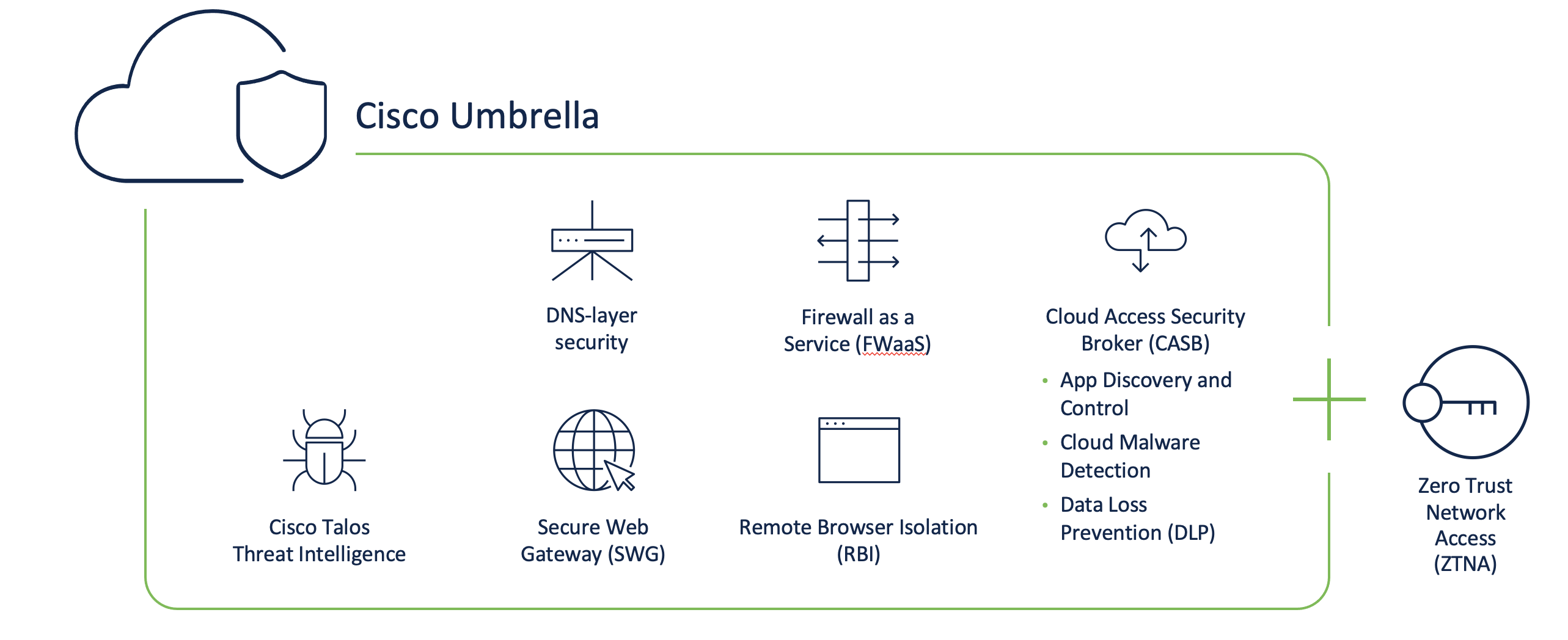
Cisco Umbrella offers flexible, cloud-delivered security. It combines multiple security functions into one solution, so you can extend data protection to devices, remote users, and distributed locations anywhere. Umbrella is the easiest way to effectively protect your users everywhere in minutes.
Last week I had the pleasure to attend a Fire Jumper Achievement classes, and it was a great eye opener for me. Security products have changed and evolved tremendously over the past few years, this evolution is due to the constant changing Attack vectors users and companies experience out there in the wild.
The Attack Continuum Cisco has a good strategy to address Security threats into different phases that could be possible in an attack. Understanding that there is not one “Perfect Solution” is part of the play. They do a great job to explain the different aspects of a security attack by breaking it down into 3 phases: Before, During and After. I also think that Cisco understands that there are very advanced and sophisticated attacks, which can bypass IPS systems, Firewall Rules and other security measures you may have at the edge, along with the security that you can deploy at the core of your infrastructure, on services such as DNS, Web and Email traffic among others.